What is Sarcoma Surgery?
Sarcoma surgery is a medical procedure to remove a sarcoma, which is a rare type of cancer. Sarcomas can grow in bones, muscles, or soft tissues. Often, surgery is the main treatment to remove the tumor and some healthy tissue around it. This helps lower the risk of the cancer coming back. Many people with sarcoma need surgery as part of their treatment plan.
Who Needs Sarcoma Surgery?
Doctors may suggest sarcoma surgery for people who have a confirmed diagnosis of sarcoma. Usually, symptoms like a lump, swelling, or pain lead to tests. These tests can include:
If the tumor is in one area and has not spread, surgery is often the best option. Sometimes, people need surgery after other treatments, like chemotherapy or radiation.
Preparing for Sarcoma Surgery
Before surgery, your doctor will explain the steps and answer your questions. You may need to:
Additionally, your care team will discuss anesthesia and pain control. They will also talk about what to expect after surgery.
The Surgical Procedure: What Happens?
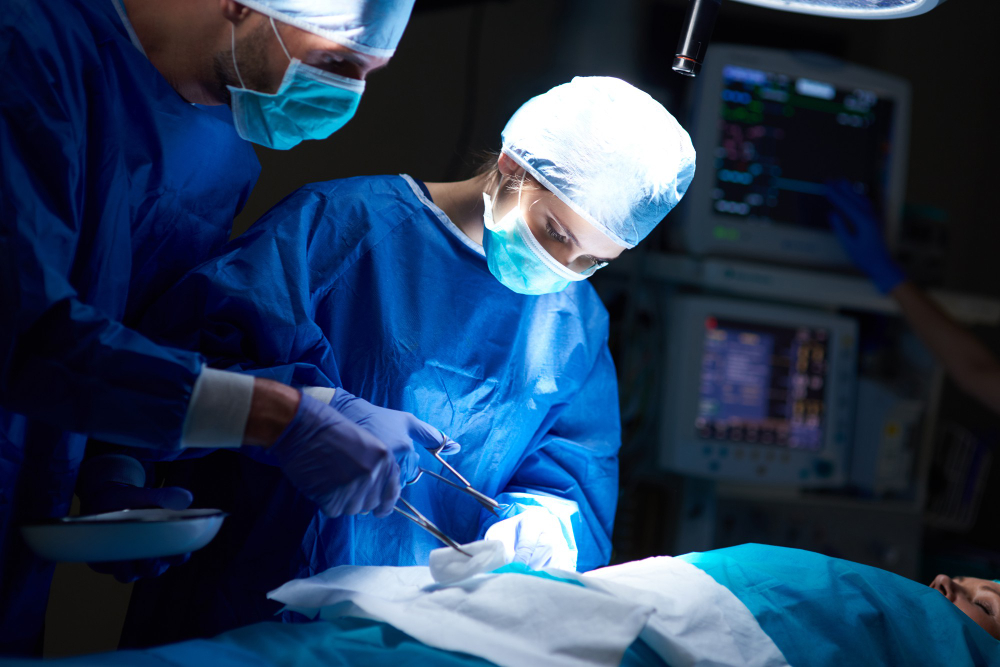
During sarcoma surgery, doctors remove the tumor and some healthy tissue. This helps make sure all cancer cells are gone. Sometimes, surgeons may also remove nearby lymph nodes. The type of surgery depends on the tumor’s size and location. For example, some people may need reconstructive surgery to repair the area. The operation usually takes a few hours. Afterward, you will wake up in a recovery room.
Recovery After Sarcoma Surgery
Recovery after sarcoma surgery can vary. Most people stay in the hospital for a few days. During this time, doctors watch for problems and help manage pain. At home, you may need to:
Usually, full recovery takes several weeks. However, some people may need physical therapy to regain strength. Always follow your doctor’s advice for the best results.
Risks and Complications
Like all surgeries, sarcoma surgery has risks. Common risks include:
Sometimes, the cancer can return. Regular check-ups help catch problems early. If you notice new symptoms, contact your doctor right away.
Tips for a Smooth Recovery
There are several ways to help your body heal after sarcoma surgery. For example, you can:
Above all, keep all follow-up appointments. This helps your care team track your progress and answer any questions.
Frequently Asked Questions
If you have more questions about sarcoma surgery, talk to your healthcare team. They can give advice based on your needs.
Consult a specialist at Shree Shyam Clinic for personalized guidance on sarcoma surgery.